Move Furniture Labor Only: How It Works and Costs
Move furniture labor only: what loading help includes, how crews charge by the hour, what happens if something breaks, and what your building asks for.

Renting the truck yourself and paying two people to carry the heavy things is the cheapest honest way to move across town. Search for move furniture labor only and you are looking for exactly that: the muscle, the dollies and the straps, without the van, the long distance contract, or the packing service you do not need.
Need the muscle without the truck? Post your moving job free and verified local movers can reply with their rate and minimum hours.
It works well when the move is local and you can drive. It works badly when nobody tells the crew about the third floor walk up, the narrow stair turn, or the sofa that has to come apart to leave the room. Here is what labor only covers, what it costs, what happens if something gets broken, and how to book it so the clock runs in your favor. The general checks for anyone you hire are in how to hire a local contractor.
What labor only actually means
You supply the vehicle: a rental truck, a van, a trailer, or a portable container parked outside. The crew supplies the work, and usually brings hand trucks, furniture dollies, lifting straps and basic tools. Most crews will load, unload, or do both ends of a local move, and plenty will also move furniture inside a home, take a bed apart, or carry a couch up to a third floor.
What does not come as standard is anything the truck itself involves. Driving is often a separate arrangement, and moving blankets, stretch wrap, boxes and tape are usually yours to buy. Ask directly, because some crews bring wrap and pads and charge for what gets used.
The same hours can be spent in other ways. A single heavy item up a staircase, a storage unit that needs loading properly, a house being staged for photographs, or a rearrangement after new flooring are all ordinary labor only jobs. Before moving day, clear what you are not taking, so nobody is paid to carry it twice.
When labor only is the right call
It suits a local move where you are comfortable driving a rental truck, a container being packed on the driveway, a studio or one bedroom where the volume is small, and any move where you have already packed everything into boxes.
Full service earns its money elsewhere. Long distance moves, anything that needs professional packing, expensive or fragile pieces, a tight closing date with no room for error, and any situation where nobody can drive are all better with a licensed moving company carrying the goods under its own liability.
There is a middle path people forget: hire labor only for the heavy furniture and move the boxes yourself in a car over several days. That is often the cheapest version of all.
Count the day as well as the dollars. Two movers for three hours is one morning of your life. The same move done alone over a weekend costs two days, a sore back, and usually a favor from a friend that you will be repaying in June.
How to move furniture labor only without surprises
Quote from a list, not a feeling. Write down the big items, the number of boxes, and the two things crews care about most: stairs and carry distance. A second floor apartment with an elevator is a different job from the same apartment with two flights and a long walk to the parking lot.
Tell them the truck size and where it will be parked, whether either building needs an elevator booked, and what time you can start. Then ask how many movers they recommend and how long they expect it to take. Three movers for two hours frequently costs less than two movers for four.
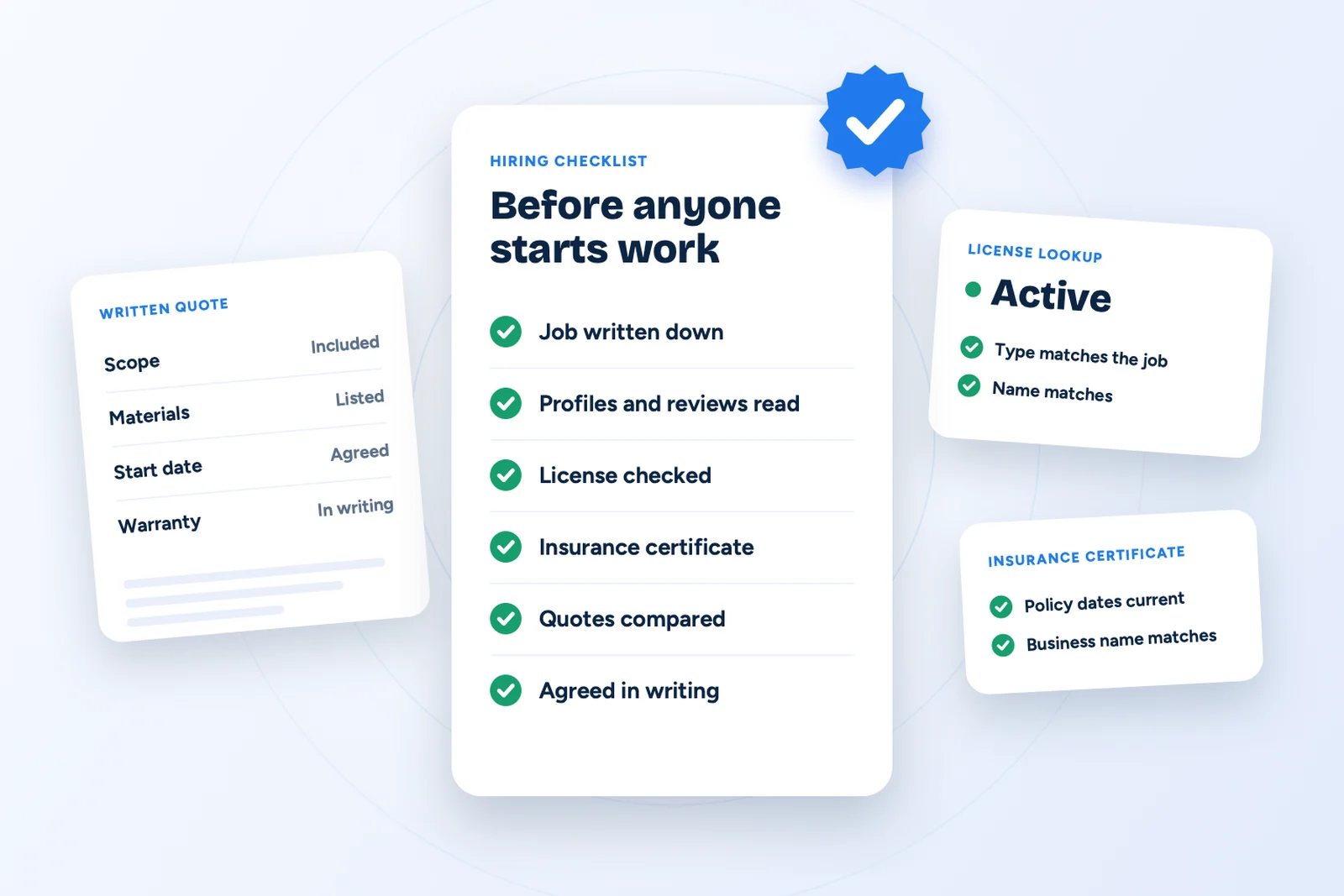
If you would rather have crews come to you with their own estimates, post the job with the inventory and a note about stairs. On Taskovery only contractors whose checks have passed can answer a posted job, and you can read what the tick covers before you choose.
What it costs, and what makes it cost more
Labor only is normally priced per mover, per hour, with a minimum of two hours and a two person crew as the usual starting point. Some crews add a trip or fuel fee for coming to you. Others charge extra for stairs above a certain floor, for a long carry from the door to the truck, or for weekend and evening work.
What movers charge in 2026, by country
| Country | What published price guides say | Source |
|---|---|---|
| United States | $54 to $160 an hour for two movers and a truck, and about $70 to $90 an hour for each extra mover | Airtasker, June 2026 |
| Canada | CA$120 to CA$200 an hour for a two-person crew with a truck | HomeStars, updated August 2026 |
| United Kingdom | Around £64 an hour for one person and a van, and around £78 for two people and a van | Checkatrade, August 2026 |
| Australia | A$111 to A$200 an hour for two removalists and a truck | Airtasker, June 2026 |
Those prices include a vehicle. A labor only crew brings none, so ask for the hourly rate per mover without the truck: it should come in under the crew-and-truck figure. We have not found reliable published figures for New Zealand or Ireland, so there, ask two crews to price the same list of items.
These are published averages, checked in October 2026. They leave out materials, and the city, how urgent the job is and how easy it is to get to move the number more than anything else. Use them to sense-check a quote, not to argue a fair one down.
Get four things in writing before the day: the hourly rate, the minimum, when the clock starts and stops, and what counts as an extra. If the estimate is two hours and the job takes three because a wardrobe has to come apart, you want to know the rate for that third hour before anybody is sweating on a staircase.
Cash tips are customary in the United States for a crew that works hard, and are yours to decide. Budget for them rather than being caught out at the end.
Ask how driving time between the two addresses is counted, because some crews bill it and some only charge from the first lift to the last. Over a cross town move that single answer can be an hour on the invoice.
What happens if something gets broken
This is where labor only differs most from a moving company, and where people get caught. In the US, a licensed household goods carrier moving your things is subject to valuation rules: the basic level, released value protection, pays a set amount per pound per article and is famously small, while full value protection is the paid upgrade that repairs or replaces. Those options attach to the company carrying the goods.
Labor only help is not always carrying anything, because the truck is yours. Ask each crew directly what insurance they hold, whether they have general liability, whether they carry workers' compensation for their people, and what they do when they break something. Get the answer in writing. Then check your own renter's or homeowner's policy, which sometimes covers belongings in transit.
Photograph your furniture before it is touched, especially anything already scratched. Two minutes of pictures settles most disagreements before they start.
What your building will ask for
Apartment buildings and condo associations usually have rules, and they apply to you rather than to the crew. Ask the building early about a certificate of insurance, which protects the building's floors, elevators and lobby and has to be issued by the mover's insurer in the building's name. Some buildings want it a week ahead.
Then ask about the elevator: whether it must be booked, whether it gets padded, and which hours moving is allowed. Ask where a truck can legally park, and whether you need a permit or a reserved space from the city. A morning spent on hold with the building is cheaper than a crew standing on the sidewalk.
Prepare so the clock runs slower
Every minute a crew spends waiting is billed at the same rate as a minute spent carrying. Before they arrive:
- Pack everything into closed boxes and label them by room
- Empty drawers and desks, and take the doors off anything too wide for a doorway
- Take beds apart, or ask in advance for that to be part of the job
- Measure sofas and mattresses against the tightest doorway and stair turn
- Clear a path, lift rugs, and prop the doors open
- Have the truck parked, the keys ready, and the elevator booked before the start time
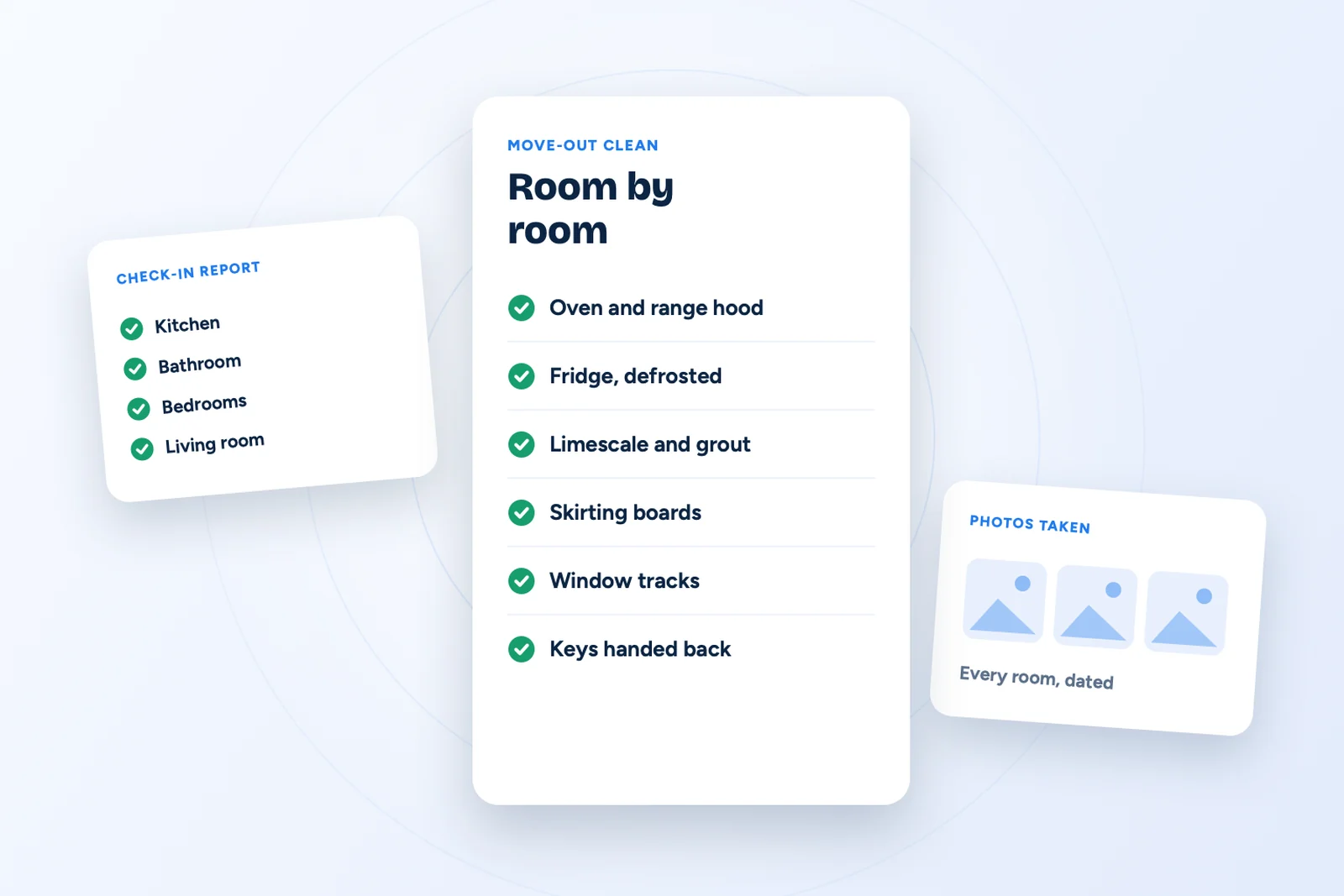
Keep pets and small children somewhere else for the loading hours, and keep a box of essentials in your own car so nothing critical ends up at the bottom of the truck. If flat pack has to come apart, plan for rebuilding flat pack at the other end, and book the move-out clean for after the truck has gone.
What they will not move
Hazardous items are the usual refusal: propane tanks, gasoline, paint, solvents, pool chemicals and anything under pressure. Crews will not take perishable food on a long run either, and some will not touch live plants across state lines because of agricultural rules.
Pianos, gun safes, pool tables, large aquariums and antiques frequently need specialists with the right equipment and their own insurance. Appliances that connect to gas or water lines should be disconnected by somebody licensed for that work, not levered off the wall by whoever is nearest. Before you book, run through the questions worth asking the crew first.
Questions people ask about labor only movers
How many movers do I need?
Two is the usual starting crew and covers most apartments. Add a third for a larger home, a long carry from the door to the truck, or stairs with heavy furniture, because a third person often shortens the job enough to pay for themselves.
Is labor only cheaper than a full-service move?
Usually, because you supply the truck or container and the crew only lifts. Add the truck rental, fuel and your own time before you compare, and remember that the crew's minimum applies at both ends if you book loading and unloading separately.
Do labor only movers bring equipment?
Most bring a dolly, straps and moving blankets, but ask. A crew that turns up without blankets is a crew whose time you pay for while they wrap your furniture in your own towels.
Who pays if something gets broken?
It depends on the crew's insurance and what you agreed, which is why the section above asks you to settle it before the day. Get it in writing, and photograph anything valuable before it is lifted.
Booked well, labor only is the move where you keep the savings and still avoid the hernia. The list, the stairs, the parking and the insurance question are the whole job. Everything else is just carrying.
Need this done?
Describe the job once and contractors near you get in touch. It costs you nothing.