Same Day Appliance Repair: How to Get One Today
Same day appliance repair: what to have ready before you call, which faults get fixed in one visit, what a diagnostic fee buys, and when to replace.
A fridge that stopped cooling this morning is a different kind of problem from a dryer that takes two cycles. One of them is food going warm by the hour, which is why people search for same day appliance repair and take the first name that answers the phone. A few minutes of preparation before you call changes how that visit goes more than anything else you can do.
First, make it safe: switch the appliance off at the wall or the breaker, turn off the water valve behind a leaking washer or dishwasher, and if a gas appliance smells of gas, leave the building and call your gas supplier's emergency line from outside. Then book the repair.
Most same day visits succeed or fail on one thing: whether the technician arrives with the right part on the van. That depends on your model number, your symptoms and how clearly you describe them. This guide covers what to have ready, which faults are realistically fixed in one visit, what the fees actually buy, and when the sensible answer is to replace the appliance instead. For choosing who comes, our step-by-step guide to hiring a contractor covers the checks.
Have this ready before you call
Find the data plate and photograph it. On a refrigerator it is usually inside on a side wall or behind the crisper drawer, on a washer or dryer inside the door or lid, on a dishwasher on the door edge, and on a range on the frame behind the bottom drawer. You want the full model number and the serial number, not the brand and a guess.
Write down what actually happens. “It makes a noise” tells a technician nothing. “It fills, drains, then stops before the spin, and the display shows F21” tells them which part to load. Note any error code, when it started, whether anything changed that day, and whether the appliance is running at all.
Check the age while you are there. The serial number usually encodes the manufacture date, and the manual or a receipt will settle it. Age decides more than you think: it affects parts availability, whether a warranty still applies, and whether repairing is the right call at all.
Which repairs are realistic in one visit
Technicians stock the parts that fail most often. Washer drain pumps, door latches and lid switches, dryer belts, thermal fuses and heating elements, dishwasher pumps and inlet valves, oven igniters and bake elements, fridge thermostats, fan motors and defrost parts are all common van stock for popular brands. Hoses, seals and filters usually travel too.
What rarely travels is an electronic control board, a compressor, a sealed system component, an inverter, or anything for an uncommon or old model. Panel ranges and built in appliances often need model specific parts made for one series, and those get ordered. A technician who says honestly on the phone that your board will need ordering is more useful than one who promises a same day fix and delivers a second appointment.
Refrigerant work is its own category. Sealed system repairs on a refrigerator involve recovery and recharge, which are regulated procedures that need certified handling and documentation, and they cost accordingly. On an older fridge that bill is often most of the price of a new one.
How same day appliance repair usually works
You get an arrival window rather than a time. The technician diagnoses first, and there is normally a diagnostic or trip fee for that visit, commonly credited against the repair if you go ahead on the day. Ask whether it is credited, because that single answer changes the real price.
After the diagnosis comes a price. Get the total, parts and labor together, before work starts, and ask what happens if the first part does not fix it. If a part must be ordered, ask who pays for the return visit and whether the original diagnostic fee still counts toward the final bill.
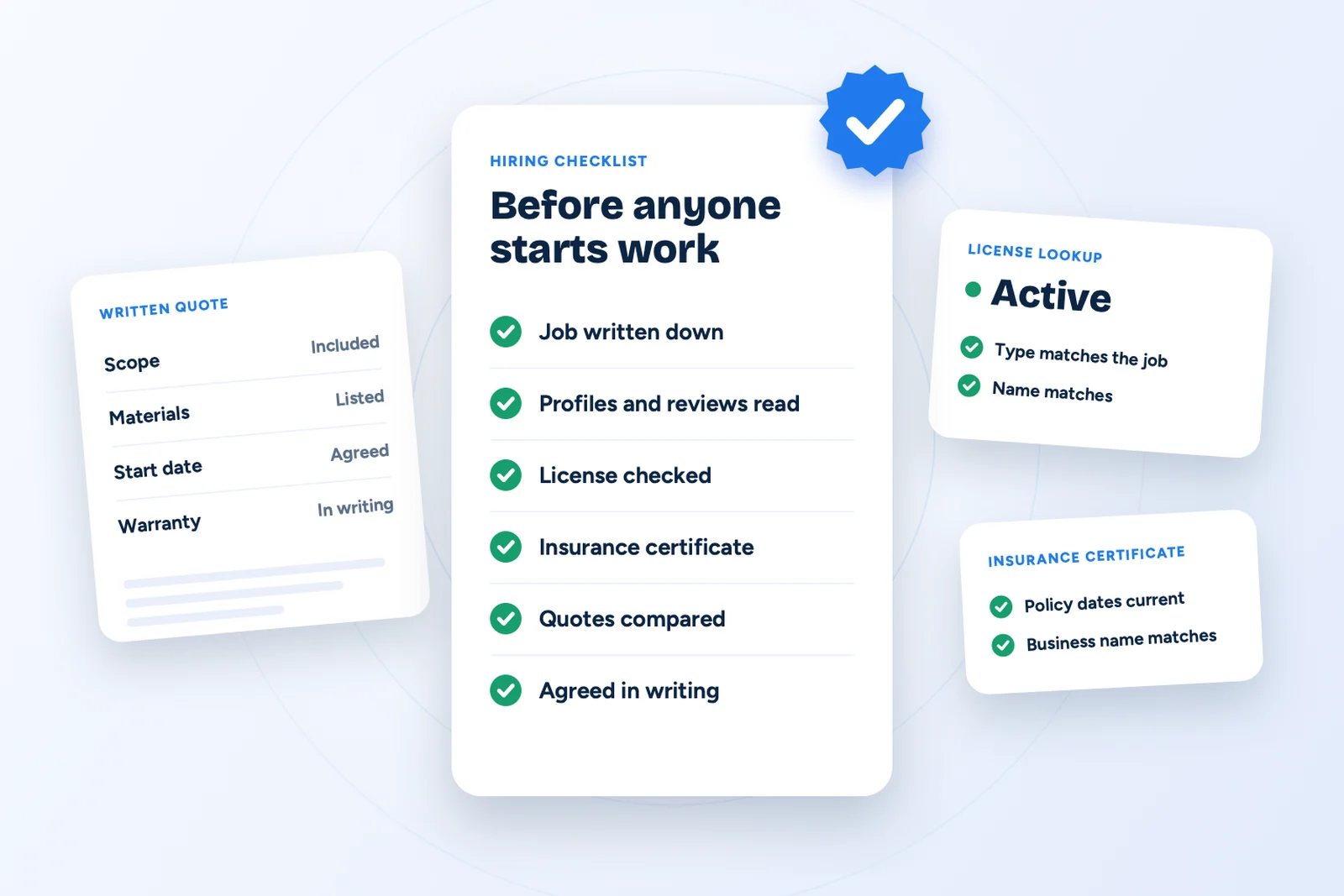
Booking earlier in the day helps. So does flexibility about the window, and so does saying up front that you have the model number ready. If you would rather have technicians come to you with prices, post the job with a photo of the data plate and the error code. Those two, and the symptoms written down, are most of how to describe the job. On Taskovery only contractors whose checks have passed can answer a posted job.
Check the warranty before you pay anybody
Three warranties might cover this. The manufacturer's warranty, which often runs a year on the whole appliance and longer on specific parts such as a refrigerator's sealed system. An extended plan bought with the appliance or attached to the card you paid with. A home warranty or landlord policy, which usually insists on sending its own contractor.
The order matters. Using your own technician on an appliance still under manufacturer warranty can end the cover, and a home warranty plan will not reimburse a repair it did not authorize. Make the warranty call first, even if it is slower, then book privately if the answer is no.
Renting? Tell your landlord or property manager in writing as soon as the appliance fails. If it came with the home, the repair is usually theirs to arrange.
Repair or replace
The rule of thumb in the trade is the fifty percent test: if the appliance is more than halfway through its expected life and the repair costs more than half the price of replacing it, replace it. If only one of those is true, repairing usually wins.
Run the rest of the numbers as well. An old appliance that fails twice in a year is telling you something. A machine whose parts are discontinued will be harder to fix next time. A fridge or a washer from fifteen years ago costs more to run than a current one, and that gap is part of the price of keeping it. Against all that, a repair you can book today beats a delivery slot in two weeks, and keeping a working machine out of landfill has a value of its own.
Check for a recall before you decide either way. Manufacturers publish them, and so do national regulators: the Consumer Product Safety Commission in the US, Health Canada, the Office for Product Safety and Standards in the UK, the Competition and Consumer Protection Commission in Ireland, Product Safety Australia, and recalls.govt.nz in New Zealand. A recalled part is sometimes replaced free.
Questions to ask when you book
Say your model number out loud and ask these before you agree a visit:
- Do you work on this brand, and do you carry parts for this model on the van
- What is the diagnostic fee, and is it credited against the repair
- What is the arrival window, and is there a surcharge for evenings or weekends
- Will I get a total price before any work starts
- What warranty covers the part and the labor, and for how long
- If a part has to be ordered, what does the second visit cost
Ask for the business name and check that it matches the invoice. Keep the old part when it is replaced, or at least a photograph of it, along with the receipt and the warranty paperwork. For a fuller set of questions that work across trades, see what to ask a contractor before you hire.
The jobs not to rush
Gas appliances are not same day DIY. A gas range, dryer or water heater needs somebody licensed for gas work, and if you smell gas the answer is to leave the building and call the utility from outside, not to book a technician for the afternoon.
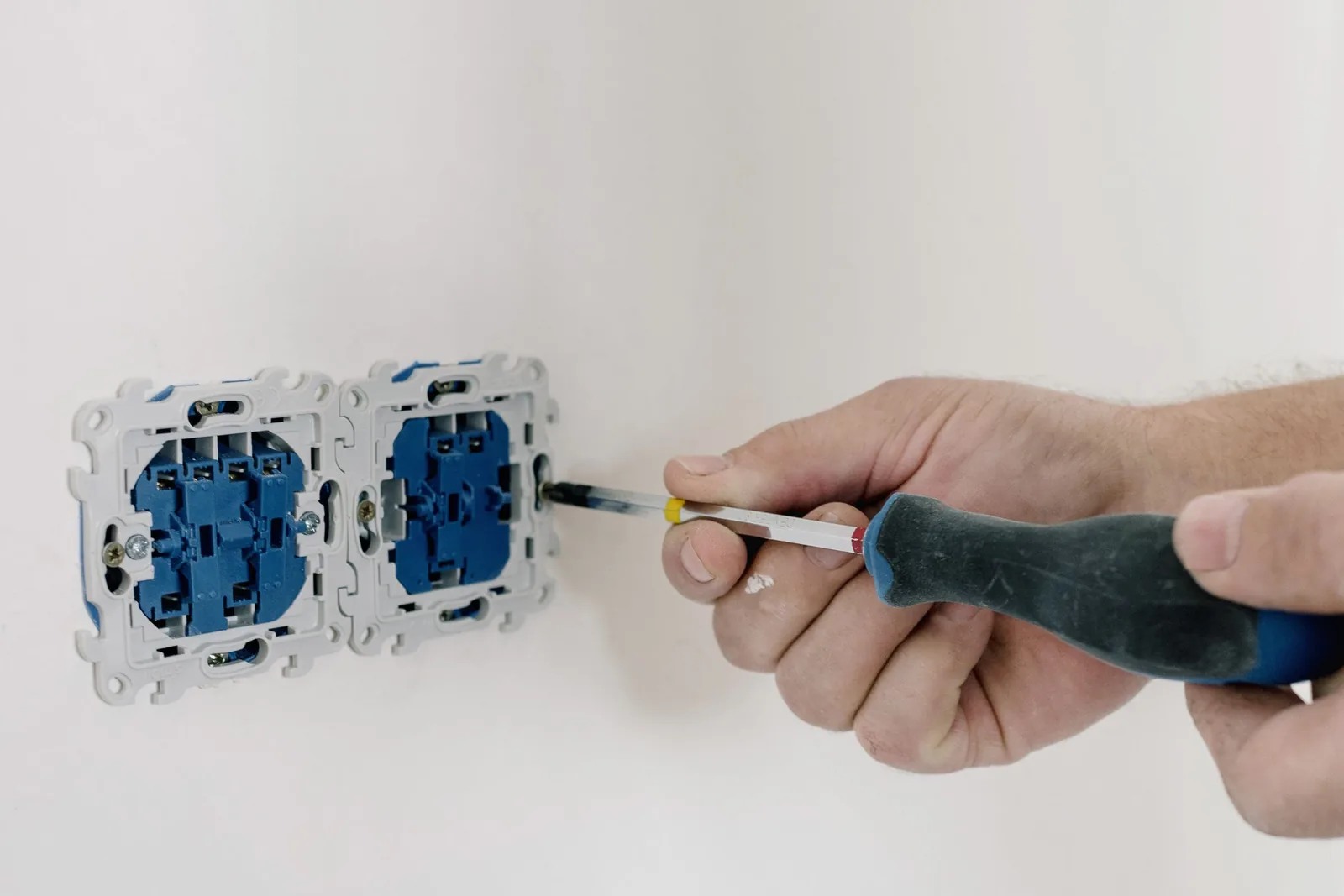
Electrical work has the same line. Replacing a plug or a cord set is one thing, and rewiring an outlet or bypassing a safety switch is another. A technician who suggests defeating an interlock so a machine will run is telling you to disable the thing that stops it from hurting somebody. And if other things on the same circuit keep failing too, read when the fault is the circuit, not the appliance.
Before the visit, empty the appliance, pull it out if you safely can, and clear a path. A warm fridge can be triaged in the meantime: keep the doors shut, move what matters to a cooler with ice, and throw out anything that has been above 40°F (4°C) for more than a couple of hours.
Make the next breakdown later
Most call outs are the end of a slow story. Refrigerator coils packed with dust make the compressor work harder for years before it gives up. A dryer vent full of lint is both a repair bill and a fire risk. Rubber washing machine hoses perish quietly and then fail all at once, which is why braided stainless replacements are worth the small cost. Dishwasher filters need rinsing, and a machine that is not level will wear its own bearings out.
Put the routine ones on a calendar twice a year: vacuum the coils, clean the lint path all the way to the outside vent, rinse the filters, check hoses for bulges and rust, and run a cleaning cycle on the washer. If that list is not your idea of a weekend, it is ordinary handyman work and can be bundled with other small jobs in one visit.
Keep the paperwork in one place: model numbers, receipts, warranty dates and the name of the technician who did a good job. The next breakdown is a much shorter phone call when all of that is on hand, and none of it is worth a safety shortcut or a bill nobody agreed to.
Need this done?
Describe the job once and contractors near you get in touch. It costs you nothing.