Emergency Plumber: What to Do Before They Arrive, and Costs
Shut the water off, decide whether it can wait until morning, and know what an emergency call-out costs before the plumber arrives. A calm checklist.
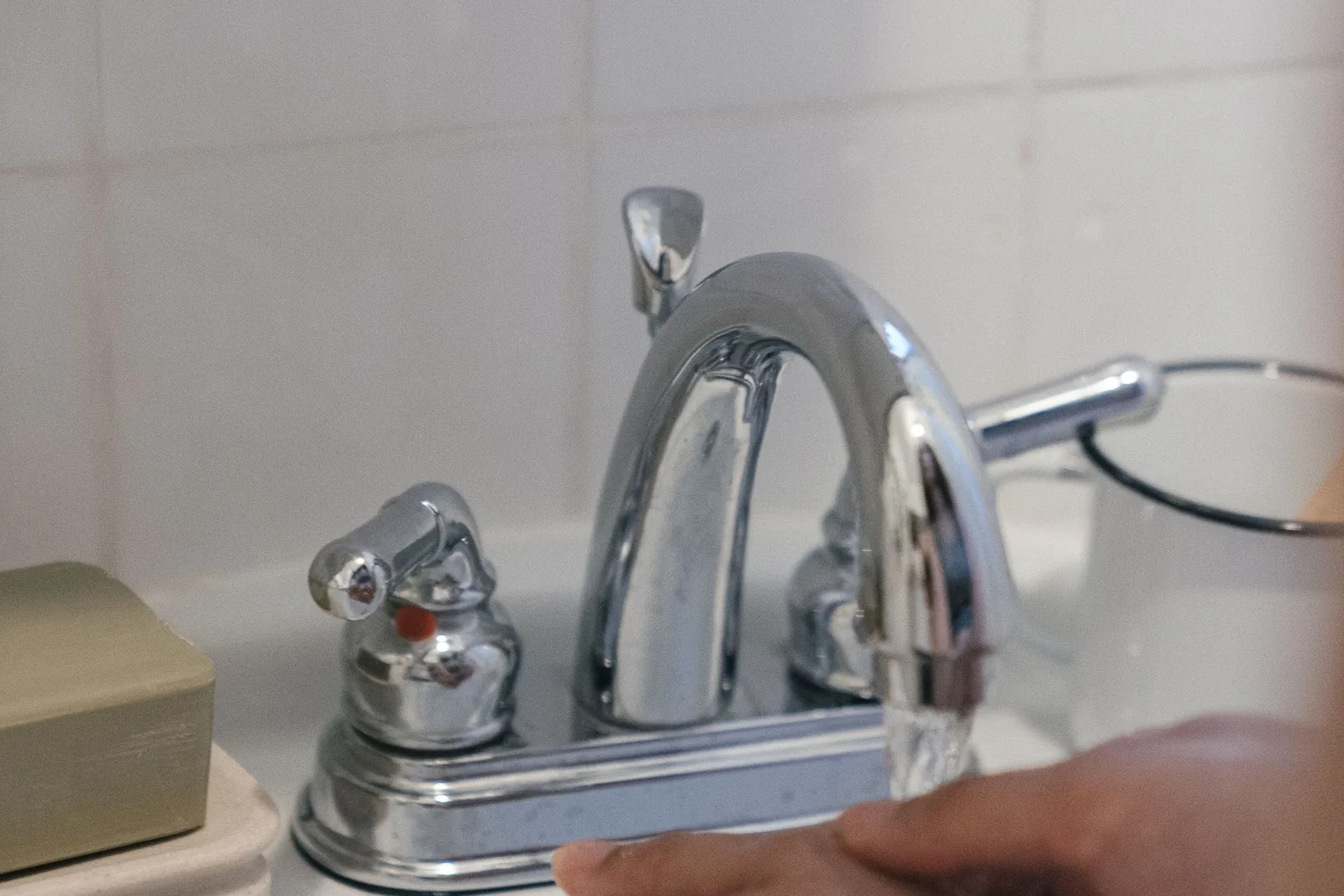
Water is coming from somewhere it should not, and the first search anybody makes is for an emergency plumber. That is the right call, but in a plumbing emergency it is the second thing to do. The first is to stop the water, because every minute the leak runs is more floor, more drywall and more of your own money going into the repair that follows.
When it cannot wait, post your plumbing job free on Taskovery and verified local plumbers who cover your area can reply. Turn the water off first; the steps are below.
Right now: shut off the main water valve, switch off the power to anything wet if you can reach the breaker safely and dry, and call a licensed plumber who can come tonight. If you smell gas, leave first and call from outside. Hiring someone for the permanent repair can wait until the water has stopped.
This guide is in the order an emergency actually happens: stop the water, work out whether this is tonight or tomorrow, find somebody good at short notice, and understand what after hours work costs before anybody picks up a wrench. None of it takes long to read now, and all of it is easier to remember if you read it before you need it. When the emergency is over, the steps in how to hire a local contractor apply to the permanent repair.
Shut the water off before you call
Find your main shut off valve. In a house it is usually where the supply enters, near the water heater, in a basement or crawl space, in a garage, or in a box at the property line. In an apartment it is often under the sink, in a closet, or behind an access panel. A gate valve, the kind with a round handle, closes clockwise and takes several turns. A ball valve, the kind with a lever, closes with a quarter turn.
If the valve is stiff or corroded, do not force it. Snapping the handle off turns a leak into a bigger one. Many fixtures have their own small stop valves as well, so a single toilet or faucet can often be isolated without cutting water to the whole home.
Once the water is off, kill the power to any area where water is near outlets, a panel or light fittings, and only if you can reach the breaker safely and dry. If your water heater is electric or gas and the tank has drained, switch it off at the breaker or turn the gas control to pilot, because heating an empty tank damages it. If you smell gas at any point, leave the building and call your gas supplier's emergency line or the emergency number from outside: 911 in the US and Canada, 999 in the UK, 112 or 999 in Ireland, 000 in Australia, 111 in New Zealand. That is not a plumbing call.
Water that has reached a panel, outlets or light fittings is one of the electrical faults that cannot wait. Keep clear of it, and get an electrician as well as a plumber.
What counts as a plumbing emergency
A real emergency is water you cannot stop, water where electricity is, or sewage inside the house. Burst or frozen pipes, a failed water heater flooding a room, a sewage backup at a floor level drain or toilet, and a supply leak that keeps running with the main closed all belong tonight.
So does no water at all in freezing weather, because a frozen line can split and you may not know it until it thaws. In a home with a single bathroom, a toilet that will not flush is an emergency in practice, whatever a price list says. If the water is coming from a leaking washing machine or dishwasher, shut the valve behind it, and the appliance becomes a next day repair.
If you rent, call your landlord or property manager first, and do it in writing as well as by phone. Emergency repairs to the building are usually theirs to arrange and pay for, and a tenant who hires their own plumber at midnight can end up arguing about the bill for weeks.
What can wait until morning
A dripping faucet, a slow drain, a running toilet you can isolate with its own stop valve, a single blocked sink in a two bathroom home, and a water heater that has gone cold without leaking are all next day jobs. Put a bucket under it, shut that fixture's valve, and book a normal visit.
The difference is money. Ordinary daytime work is charged at an ordinary rate. Night, weekend and holiday work carries a call out fee and a higher hourly rate on top, so waiting nine hours for a drip can be the difference between a small bill and a memorable one.
How to find an emergency plumber fast
Call rather than message, and start with people who publish a real address and a license number. Ask four questions in the first minute: can you get here tonight, what is the call out fee, what is the after hours rate, and are you licensed for this work here. A plumber who answers all four plainly is usually the one to book.
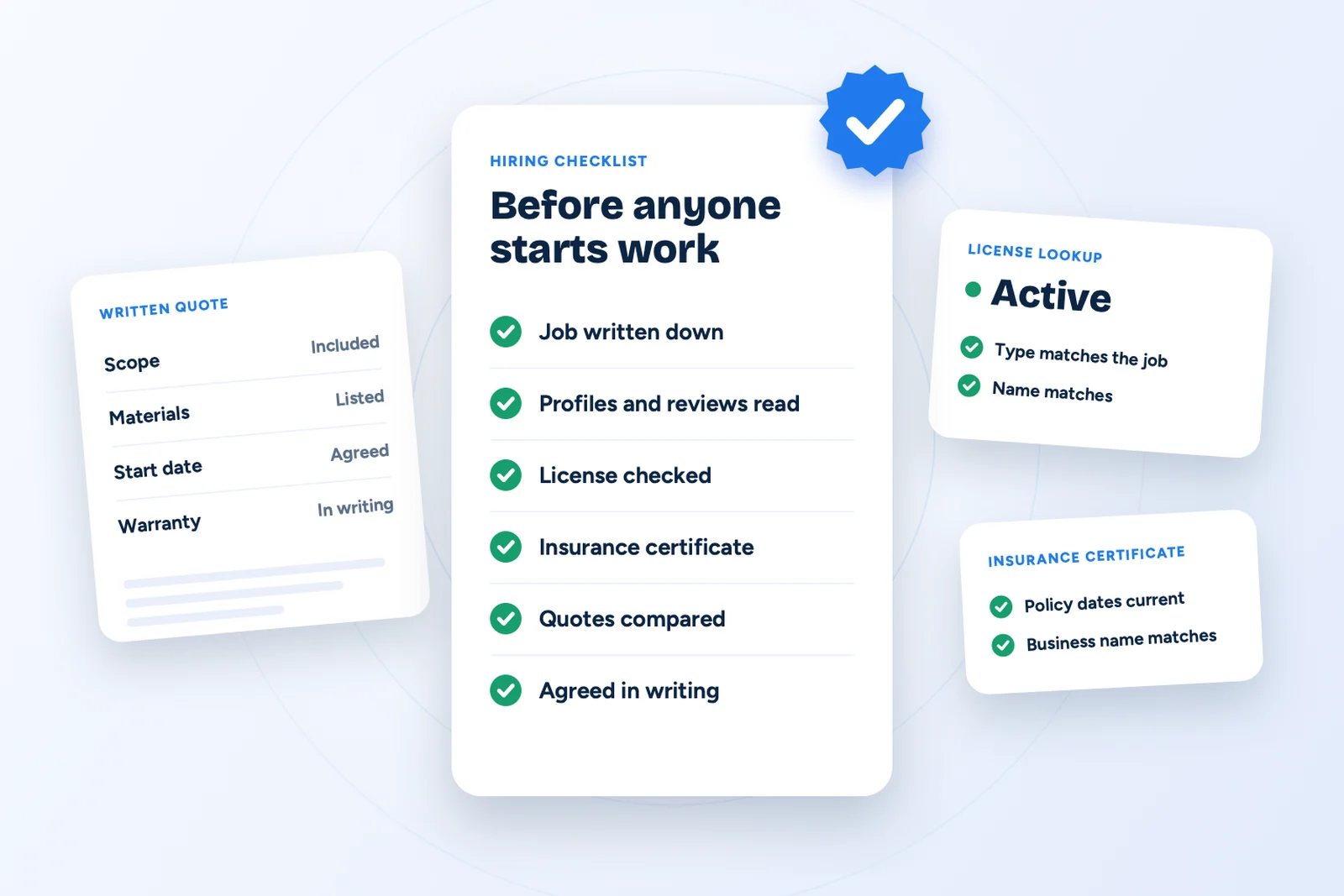
Check the license yourself while you wait: active status, the right license type, and a name that matches the person coming. In the US that is your state licensing board's website, and the registers in the other five countries are listed in our hiring guide. Plumbing is licensed work in most US states, and this is the moment people skip the check.
For the repair that comes after the emergency, the permanent fix, the wall that needs closing up, the fixture that needs replacing, you have time to choose properly. Post the job with photos and let plumbers come to you, and see how to describe the job so the replies are useful. On Taskovery only contractors whose checks have passed can answer a posted job, and you can read what the tick covers before you pick anyone.
What an emergency call actually costs
Emergency plumbing is priced in layers rather than one number. There is usually a call out or trip fee for coming at all, an after hours surcharge for the time of night, an hourly rate that is often well above the daytime one, and then parts. Ask for all four on the phone, and ask whether the clock starts when they leave the depot or when they arrive.
Expect the two visit pattern. Late at night the job is to make the house safe and dry: isolate the leak, cap the line, clear the backup. The proper repair, with the right part, often happens the next working day at a normal rate. That is not a plumber stretching the job out. It is the cheaper way round for you, and worth agreeing out loud so the second bill is no surprise.
Get the price, or the rate and the minimum, before work starts. If the plumber cannot say what the repair will cost until they open a wall, ask them to stop and quote once they can see it.
What to do while you wait
Contain what you can and record everything. A few minutes of buckets, towels and photographs now saves an argument with an insurer later.
- Photograph the leak, the damage and the room before you move or mop anything
- Move furniture, rugs and anything electrical out of the wet area
- Catch drips in buckets and towels, and lift curtains and bedding off the floor
- Open a low faucet after shutting the main to drain pressure out of the pipes
- Keep the receipts for anything you buy tonight, including towels and a wet vacuum
Do not pour chemical drain opener into a blocked line before a plumber arrives. It rarely clears a real blockage, and it means somebody is going to be working in caustic water in an hour. If sewage has backed up, stop using water anywhere in the house, including the washing machine, until it is cleared.
Questions to ask before they start work
Ask for the license number and the business name, and check that both match the invoice you are given later. Ask what the call out fee includes, whether the diagnostic time is credited against the repair, what warranty covers the parts and the labor, and whether tonight's work is temporary or final. If a second visit is needed, ask what that visit will be charged at.
Agree how you will pay before the work is done, not after. On Taskovery the price a contractor quotes is the price you pay them, they invoice you directly, and Taskovery is never part of the payment, so the terms are yours and theirs to settle. For a longer list that works for any trade, see what to ask before they start work.
Making the next one less likely
When the panic is over, find out why it happened. A pipe that burst because it runs through an uninsulated wall will do it again next winter. A water heater that failed at eleven years old was near the end of its life, not unlucky. Ask the plumber what they would do to stop a repeat, and get that in the quote for the permanent repair.
Then do the five minute jobs that make the next emergency smaller: label the main shut off valve and show everyone in the house where it is, check that it actually turns, fit a leak alarm under the water heater and behind the washing machine, and keep the number of a plumber you trust somewhere other than a search results page at two in the morning.
Need this done?
Describe the job once and contractors near you get in touch. It costs you nothing.